How to Improve Gut Health When You Have Food Sensitivities (Without Cutting Everything Out)
If you’ve ever found yourself thinking:
“At this point, what can I even eat?”
You’re not alone, and more importantly, your body isn’t broken.
This is something I see all the time in my work with women navigating gut issues, hormone imbalances, and chronic stress.
And here’s the truth most people aren’t talking about:
Food sensitivities are often a symptom, not the root cause.
What causes food sensitivities? (The real root of the problem)
When your body starts reacting to more and more foods, it’s usually not because those foods are inherently “bad.”
It’s because your system is overwhelmed.
In my experience, food sensitivities are often linked to:
✓ A dysregulated nervous system (chronic stress)
✓ Impaired digestion (low stomach acid, poor enzyme production)
✓ A compromised gut lining
✓ Imbalances in gut bacteria
✓ Blood sugar instability
When these systems aren’t supported, your body becomes more reactive, more sensitive… and less resilient.
So instead of asking:
“What foods should I eliminate?”
A better question is:
“Why is my body struggling to tolerate food in the first place?”
What is “leaky gut” and how does it relate to food sensitivities?
You may have heard the term “leaky gut.”
The clinical term for this is intestinal permeability, and while it’s often oversimplified online, the concept itself is real.
Your gut lining acts as a protective barrier, allowing nutrients to pass through while keeping harmful substances out.
When that lining becomes irritated or more permeable:
particles can pass into the bloodstream
the immune system can react
and this can show up as food sensitivities
What actually helps support the gut lining?
This is where many women feel like they need a long list of supplements.
But in reality, the most impactful supports are often the simplest:
✓ Nervous system regulation
✓ Proper digestion
✓ Balanced meals and stable blood sugar
✓ Quality sleep
These are not “basic,” they are foundational for gut repair.
Where most women go wrong with gut health
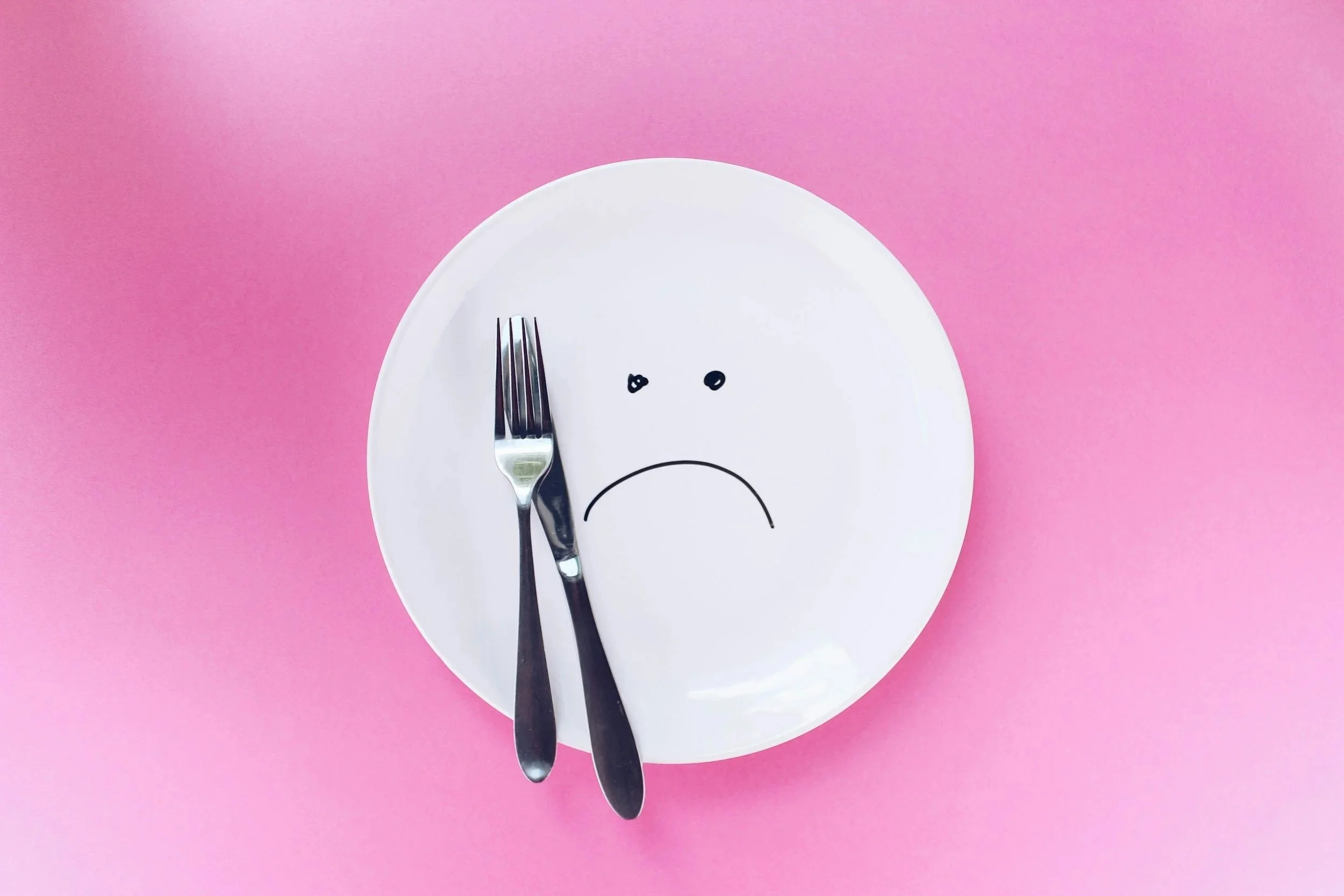
Cutting more foods might reduce symptoms temporarily but it doesn’t rebuild your gut.
This is the pattern I see over and over:
You notice symptoms → you remove gluten → then dairy → then sugar → then more foods…
And while this might bring temporary relief…
You eventually end up:
eating a very restricted diet
still experiencing symptoms
feeling confused and frustrated
Because removing foods doesn’t rebuild your digestive capacity.
It just manages symptoms temporarily.
How to improve gut health (especially with food sensitivities)
When someone comes to me feeling like they can’t tolerate anything, we don’t start with more restriction.
We start with supporting the body.
Here’s what that actually looks like:
✓ 1. Regulate your nervous system
Your gut and your nervous system are deeply connected.
If your body is in a constant state of stress, digestion becomes a lower priority.
This can lead to:
bloating
discomfort after eating
increased sensitivities
Start with:
slowing down before meals
taking a few deep breaths before eating
creating a calm eating environment
reducing distractions and screens while eating
✓ 2. Support digestion at the root
Many people jump straight to probiotics, but digestion starts before the gut.
Focus on:
chewing your food thoroughly
eating in a relaxed state
supporting stomach acid (bitters, lemon water)
spacing meals so digestion can complete
If food isn’t broken down properly, it’s more likely to cause symptoms.
✓ 3. Stabilize blood sugar
Blood sugar swings create stress in the body and that stress impacts your gut.
Support stable blood sugar by:
eating balanced meals (protein, fiber, fat, carbs)
eating regularly
avoiding coffee on an empty stomach
Stable blood sugar = a more stable internal environment.
✓ 4. Reduce the overall load on your system
This doesn’t mean cutting everything out.
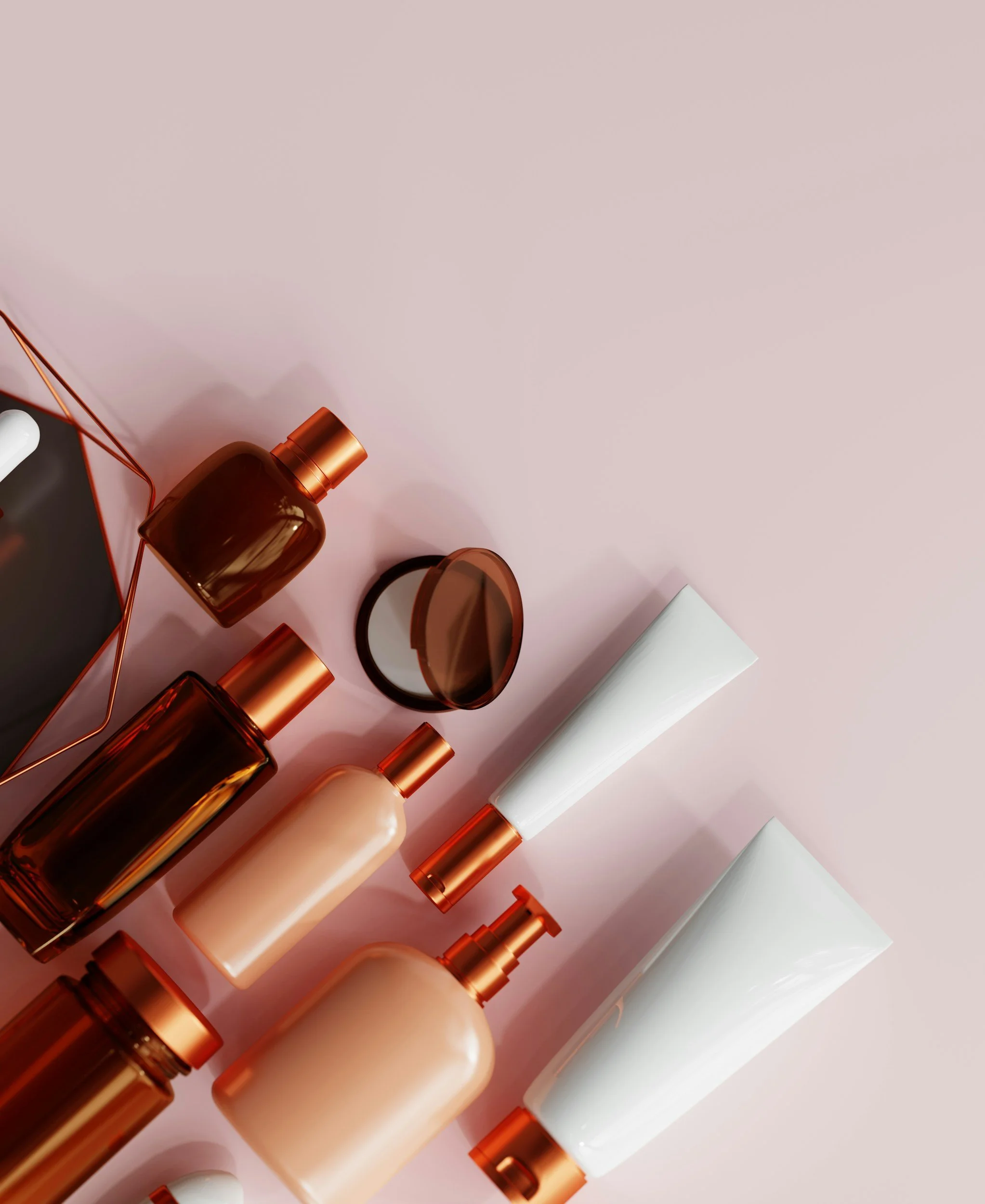
The products we use on a daily basis are often overlooked but can contribute to hormonal and gut dysfunction. Swapping them for cleaner versions can make a difference, especially for women who feel like their system is already overwhelmed.
It means being intentional.
Sometimes we temporarily reduce the most irritating foods…
But we also look at the overall load your body is carrying.
Because your gut isn’t just influenced by what you eat, it’s also impacted by what you’re exposed to on a daily basis.
This can include things like:
personal care products
cleaning products
fragrances
environmental toxins
When your body is constantly processing these inputs, it can add to your overall stress load… which can indirectly impact digestion, inflammation, and gut function.
This doesn’t mean you need to overhaul your entire life overnight.
But gradually swapping in cleaner, lower-tox options where it feels realistic can be a really supportive piece of the puzzle.
Think of it as:
→ not perfection
→ but reducing the load on your system over time
And creating more space for your body to focus on healing.
✓ 5. Rebuild (not just remove)
This is the missing piece for most women.
We don’t just take things away, we add support:
✓ nutrient-dense, easy-to-digest meals
✓ gentle movement (like walking after meals)
✓ proper hydration
✓ consistent sleep
Your gut heals when your body feels safe, not restricted.
My take on supplements (and what actually works)
If you’ve been researching gut health, you’ve probably come across supplements like:
zinc
L-glutamine
collagen
bone broth
aloe vera
And yes, these can be supportive.
For example:
Zinc may support gut barrier function
L-glutamine fuels intestinal cells
Collagen provides building blocks for tissue repair
Bone broth contains supportive amino acids
Aloe vera may help soothe digestive irritation
But here’s what I want you to understand:
Supplements are not the foundation of gut healing
I often see women taking multiple supplements…
but still:
eating in a stressed state
skipping meals
running on coffee
not sleeping enough
using toxic cleaning and beauty products
And in that context, supplements can only do so much.
A more effective approach
I’m not against supplements, but I use them strategically:
✧ as support
✧ not as a starting point
✧ layered on top of strong foundations
Because even the research shows that gut health is influenced by:
stress
digestion
lifestyle
and overall load on the body
… not just the supplements you take.
Where to start (simple, effective steps)
If you’re feeling overwhelmed, start here:
✓ Sit down and slow down when you eat
✓ Build balanced meals
✓ Chew your food thoroughly
✓ Add gentle movement after meals
✓ Prioritize sleep
Simple doesn’t mean ineffective.
This is where real healing begins.
You don’t need more restriction
If you’re struggling with food sensitivities, I want you to hear this:
Your body isn’t working against you, it’s communicating with you.
And healing your gut isn’t about doing more…
or cutting more foods…
It’s about supporting your body in the ways it actually needs.
Your Next Step for Supporting Your Hormones
If this made you realize there might be a different way to support your body…
This is exactly what I teach inside the Happy Hormone Collective ♡
We focus on the key pieces your body and hormones rely on,
so you can stop guessing and start feeling supported.
Because your body isn’t working against you.
It’s asking to be supported.
And when you start listening…
everything changes.
You can learn more and join the Collective for free here.
Because when women have the right knowledge and support, everything can begin to shift.
It’s time to RISE into your most vibrant mind, body & spirit.

The Happy Hormone Collective is made up of women who are mostly in their 30’s and 40’s navigating hormonal changes related to perimenopause, PCOS, Hashimotos, endometriosis, fertility, and more.
A Gentle Reminder
Your body is always speaking to you.
Real self-care is learning how to listen.
I am honoring you, wherever you are on your journey.
With love,
Kristal
